21 Rates Podcast

G-Knot CEO Featured in Podcast: Revolutionizing Crypto Security with BiometricsOn November 10, 2025, G-Knot's CEO joined the live YouTube podcast episode titled "Eliminating Wrench Attacks With Biometrics | BTC Rebound | G-Knot" to discuss the future of cryptocurrency security, market trends, and how G-Knot is leading the charge in biometric innovation. Hosted by crypto experts, the episode delved into real-world threats facing crypto holders and showcased G-Knot as a groundbreaking solution.
Key Highlights from the Interview:
Addressing Wrench Attacks Head-On: The CEO explained how traditional crypto wallets are vulnerable to physical coercion, known as "wrench attacks," where attackers force users to reveal keys or phrases. G-Knot eliminates this risk through its finger-vein biometric technology, which requires a live finger with active blood flow for authentication. "Our system shifts security from 'something you know' to 'something you are,' making it impossible for threats to succeed without the user's living presence," the CEO noted, emphasizing anti-spoofing features that detect fakes like replicas or severed fingers.
G-Knot's Core Innovations: The discussion highlighted G-Knot as the world's first finger-vein biometric crypto wallet, offering enterprise-grade security with features like:Multi-Finger Authentication: Register up to 8 fingers with 24 unique patterns for flexible, high-security access.
AI-Powered Threat Detection: Real-time algorithms adapt to emerging risks, ensuring 99%+ accuracy in any environment—from extreme temperatures to bright sunlight.
Seamless and Password-Free: Instant one-touch unlocking in under a second, with full decentralization and user control over encrypted assets. No recovery phrases means no weak points for hackers or coercers.
Cross-Chain Compatibility: Effortless integration across blockchains, hardware wallets, and Web3 apps using a single G-Knot ID.
BTC Rebound and Market Context: Tying into broader crypto trends, the CEO touched on Bitcoin's recent rebound, noting how increased adoption and volatility underscore the need for robust self-custody solutions like G-Knot. With BTC stabilizing amid institutional inflows, the project positions itself to unlock dormant liquidity for DeFi while prioritizing user safety.
Future Outlook and Announcements: The CEO shared exciting updates, including G-Knot's recent unveilings at events like Korea Blockchain Week and preparations for presale. "We're not just building a wallet—we're creating a secure, user-centric ecosystem with our GKNT token to fuel growth and compliance," they added, highlighting regulatory standards for financial and enterprise use.
This appearance underscores G-Knot's mission to make crypto custody private, intuitive, and unbreakable. Watch the full episode here to hear more about how we're transforming Web3 security. Stay tuned for more updates, and join our community to experience the future of biometrics today!


ID Tech
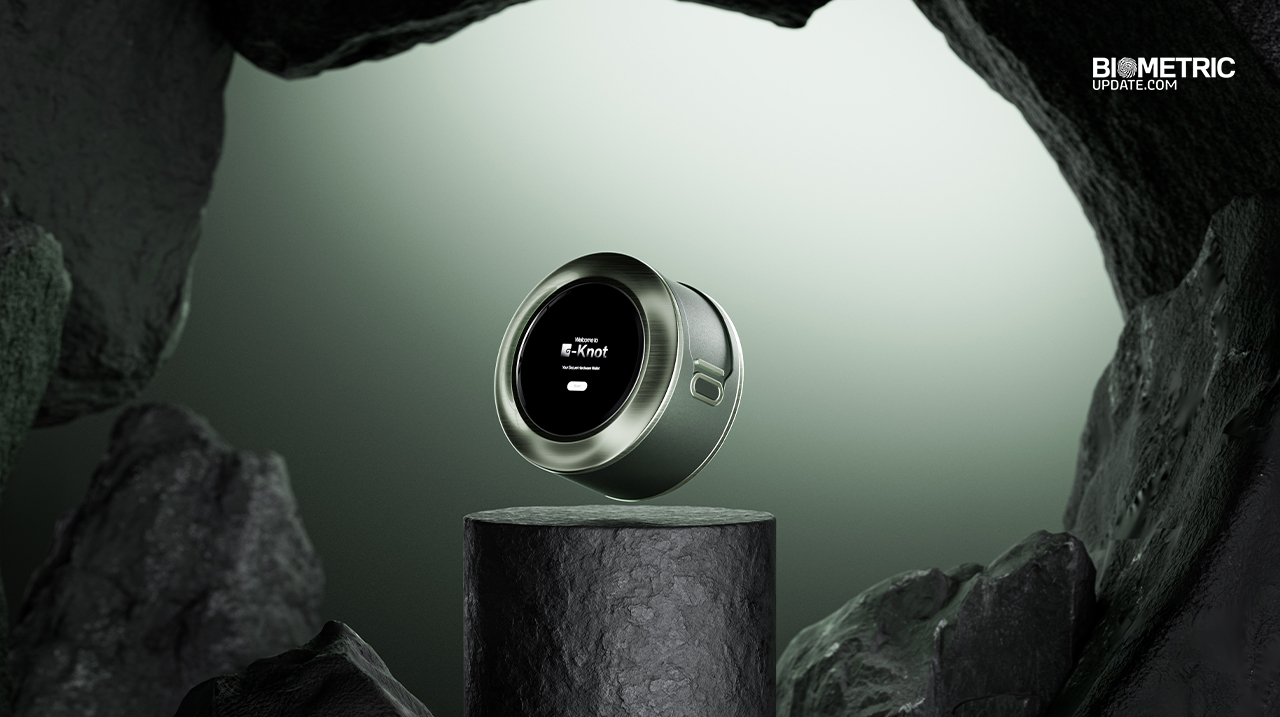
G-Knot names fintech and crypto leader Wes Kaplan as CEO to commercialize its finger vein biometric wallet and expand a portfolio of secure consumer and enterprise products. The appointment strengthens G-Knot’s mission to make digital asset custody safer for retail and institutions.
.png)

Building Secure Digital Asset Ecosystems and Core Risk Management Areas
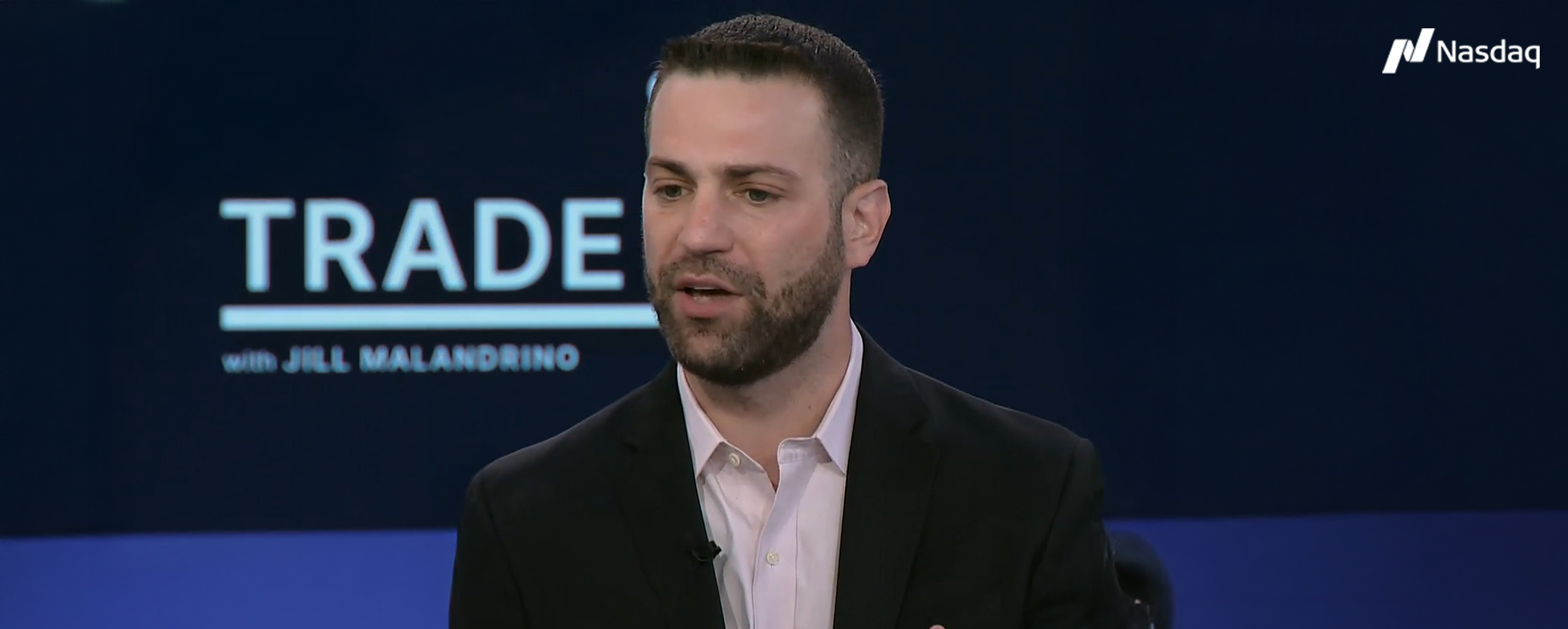
In this featured Nasdaq TradeTalks segment, G-Knot CEO Wes Kaplan shares how advanced biometrics and risk management frameworks are redefining the foundation of secure digital asset ecosystems. The discussion underscores G-Knot’s role in pioneering technologies that strengthen trust, reduce vulnerabilities, and accelerate mainstream adoption of Web3.